




The 2026 edition of Technology Dialogue is supported by various ecosystem partners including government agencies, industry leaders and associations, key country partners and knowledge institutions.




30 November - 2 December 2026
The 2026 edition of the Technology Dialogue will focus
on the growing convergence of frontier technologies across sectors and technology domains.
Advancements in the convergence of frontier technologies are expected to create significant
disruptions in how economies function, industries are organised, and new sectors emerge. At
the same time, certain existing industries and business models may become obsolete.These
changes will also have wider implications for the organisation of societies,employability
and the future of knowledge-based economies.
The Dialogue will be an invite-only platform involving key government agencies from
India and strategic partner countries, as well as industry stakeholders with a strong
interest and role in shaping the convergence of frontier technologies. In addition to
identifying new avenues for cooperation, the 2026 edition will examine policy challenges
arising from technology convergence that are not specific to India or any individual
country, but require coordinated responses across governments,institutions and sectors.
The convergence of frontier technologies is reshaping global innovation and the growing need to balance openness and international collaboration with strategic resilience and technological sovereignty. It will further explore how countries can integrate their national technology missions to build a globally competitive, resilient and strategically autonomous innovation ecosystem.
The session will examine how AI and quantum technologies are reshaping computational capabilities and what it will take to translate these advances into scientific, economic and strategic leadership. It will explore opportunities and challenges in building globally competitive compute ecosystems, fostering interdisciplinary research and preparing industries and institutions for a future where computational intelligence becomes the foundational infrastructure for frontier technologies. The discussion will also consider how India can integrate its national investments to emerge as a leader in next-generation computing.
Read MoreAI is fast becoming the engine of scientific discovery, designing proteins, screening materials, and running laboratories with minimal human involvement. The same capabilities also lower the barrier to harm, from biological threats and offensive cyber operations to weapons development and autonomous agents. This closed-door session brings together government officials, scientists, AI developers and security and biosecurity experts for a candid, off-the-record conversation. It will examine critical chokepoints, balancing open science with misuse prevention, testing and incident-reporting standards for autonomous agents, and realistic international coordination. The aim is a frank exchange on real risks and practical actions governments and the scientific community can agree to take now.
Read MoreThe session will explore how the convergence of AI, biotechnology, engineering, data science, advanced manufacturing and digital technologies is redefining the global bioeconomy, creating new opportunities across healthcare, agriculture and sustainable manufacturing. It will also examine how India can leverage the BioE3 Policy and its growing biotechnology ecosystem to become a global leader in bio-based innovation.
Read MoreThe session will explore how the convergence of neurotechnology, artificial intelligence, brain-computer interfaces, precision medicine, advanced imaging, biotechnology, and digital health is opening unprecedented possibilities, not only for understanding the brain, but also for restoring, enhancing, and augmenting human capabilities. It will also examine the ethical, societal, and governance challenges of ensuring these advances are developed responsibly, equitably, and in ways that enhance human potential. The session will invite the audience to reflect on a defining question: Can neurotechnology enable humanity not only to treat disease but also to responsibly expand the limits of human potential?
Read MoreThe session will examine how the convergence of frontier technologies is reshaping cybersecurity and critical infrastructure resilience, highlighting the need for secure-by-design systems, post-quantum readiness, trusted hardware and stronger public-private collaboration. The discussion will explore how nations can move beyond traditional cybersecurity towards building resilient, trustworthy and future-ready digital ecosystems. Ultimately, it asks a defining question for the coming decade: Can security evolve as rapidly as the technologies it seeks to protect?
Read MoreThe session will explore the technological, industrial and geopolitical forces that will define semiconductor competitiveness in the coming decades. It will examine how advances in AI, quantum technologies, photonics, advanced packaging and specialised computing architectures are reshaping the semiconductor landscape while addressing the strategic imperatives of supply chain resilience, technology sovereignty, trusted manufacturing and international cooperation. It will also discuss how India can build a resilient end-to-end semiconductor ecosystem to strengthen its role in the global technology landscape. The panel may conclude with a defining question: What and who will shape the future of the world's most strategic technology?
Read MoreThe session will explore how technological convergence, coupled with unprecedented collaboration across sectors and borders, is shaping the future of the global space ecosystem. It will reflect on opportunities presented by the New Space economy, in-space manufacturing, lunar and deep-space exploration, satellite constellations and space-enabled digital infrastructure. It will also examine how India can help shape the future of the New Space economy through innovation and trusted international partnerships.
Read MoreIndia's deep tech ecosystem is expanding, from AI and biotech to space, semiconductors and advanced materials. But venture capital for deep-tech startups still lags behind VC levels for Indian startups as a whole chiefly because translational research capabilities in the space are low, and the longer gestation periods needed by deep-tech ventures do not fit the seven-to-ten-year life of standard VC funds. This closed-door discussion brings together researchers, academics, founders, domestic and global investors, and government stakeholders to examine where India's deep tech innovation is actually headed, how translational capacities can be strengthened, what it would take to build genuine patient capital pools at home, how public procurement can be redesigned to unlock demand rather than simply subsidise supply, and what role international capital and government-to-government partnerships can play in closing both gaps where treating access to global growth capital not as a financing question alone, but as a technology-diplomacy one.
Read MoreAs artificial intelligence rapidly becomes the central engine of economic productivity, scientific discovery, and public service delivery, ensuring its benefits are broadly distributed—rather than concentrated among a few nations or corporations—is a defining challenge. This closed-door session addresses the twin imperatives of technology diffusion and sovereign access: how to accelerate widespread AI adoption so that communities and institutions at large can harness frontier tools, and how to structure government-to-government (G2G) frameworks that facilitate reliable, secure access to highly capable foundation models.
Read MoreThe session will examine which emerging security technologies are ready to protect critical infrastructure and which require further testing. It will consider post-quantum migration, zero-trust architecture, trusted hardware and AI-enabled threat detection, alongside the shared testbeds, certification mechanisms and institutional partnerships needed for secure deployment across essential systems at scale.
Read MoreThe convergence of AI with biotechnology, data science, and digital technologies is reshaping healthcare, from therapeutic discovery and disease diagnosis to care delivery and health systems. India is emerging as a significant hub for AI-enabled innovation, supported by initiatives such as Ayushman Bharat Digital Mission (ABDM), the Strategy for AI in Healthcare for India (SAHI), the Benchmarking Open Data Platform for Health AI (BODH), and the BioE3 Policy. Across diagnostics, medical imaging, genomics, biologics design, and drug discovery, new solutions continue to emerge. The next step is scaling these innovations into routine care. This closed-door discussion will bring together government, regulators, industry, researchers, healthcare institutions, and international partners to explore practical policy and partnership measures that accelerate deployment and expand access to Indian innovations globally.
Read MoreThis initiative is about demonstrating India’s deep tech ecosystem through various activities for delegates.
Building on the discussions at the India AI Impact Summit, this closed-door roundtable will continue the India–Switzerland policy conversation ahead of the next AI Summit in Geneva. It will examine the priorities emerging from India and consider where the two countries align and where their perspectives differ. The discussion will explore how AI diffusion can be made broad and inclusive, how safety frameworks can keep pace with advancing capabilities, and how to ensure equitable access to compute, data, talent and models. It will also look at how governance approaches can be made interoperable and how trusted partnerships can strengthen international cooperation. The roundtable will aim to identify the issues that could inform the agenda in Geneva and how India and Switzerland can bring Global South perspectives into the centre of global AI governance.
This dedicated, activity-driven workshop will bring together national and international experts to demonstrate how technology future thinking can be practised, not just discussed. It will introduce quantitative and qualitative methodological approaches, and showcase how advanced digital tools, including AI and machine learning, are strengthening foresight practice. Drawing on realworld examples, the workshop will present foresight outcomes for critical technologies and show how these insights can inform research priorities, investment decisions and national technology planning. The session will also consider how India can strengthen its foresight ecosystem to anticipate technological shifts and shape the future of critical and emerging technologies.
Technology Dialogue 2026 will bring together leading policymakers, scientists, industry leaders, innovators and strategic thinkers from India and around the world. Delegates will explore the convergence of frontier technologies, discuss emerging policy challenges and discover opportunities for international collaboration. The dialogue will provide a platform to exchange ideas and shape the future of technology governance and innovation.
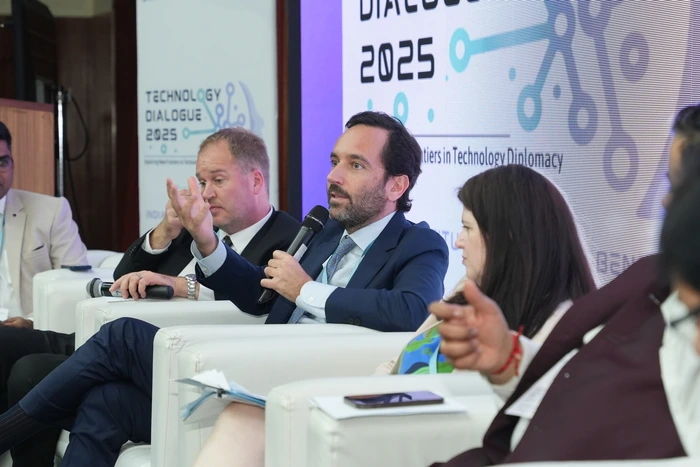
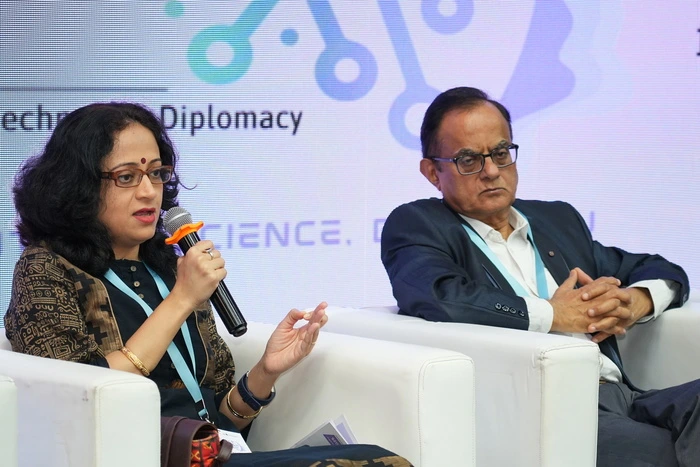
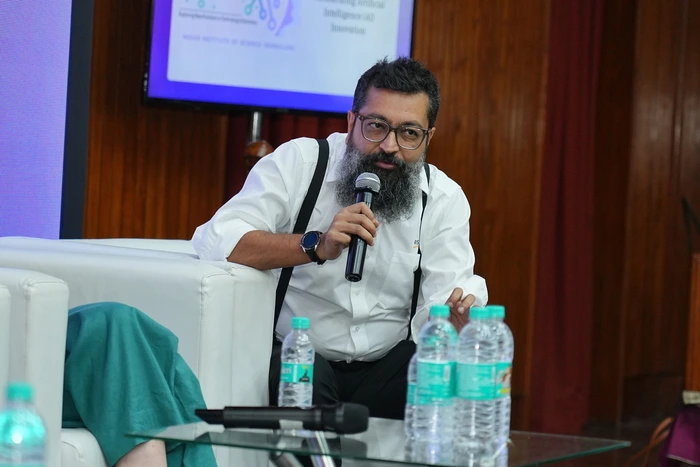
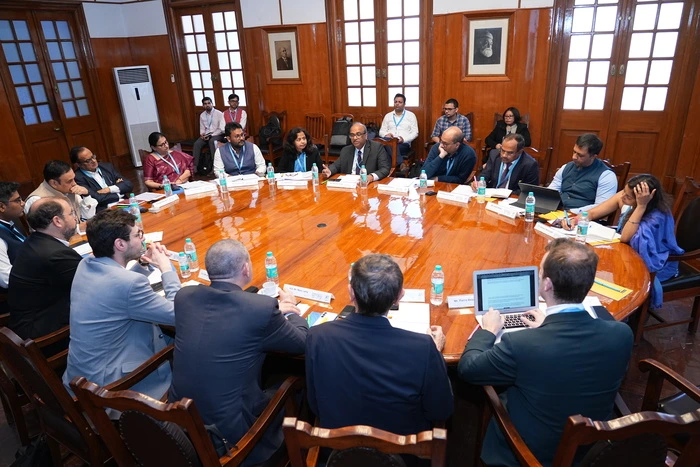
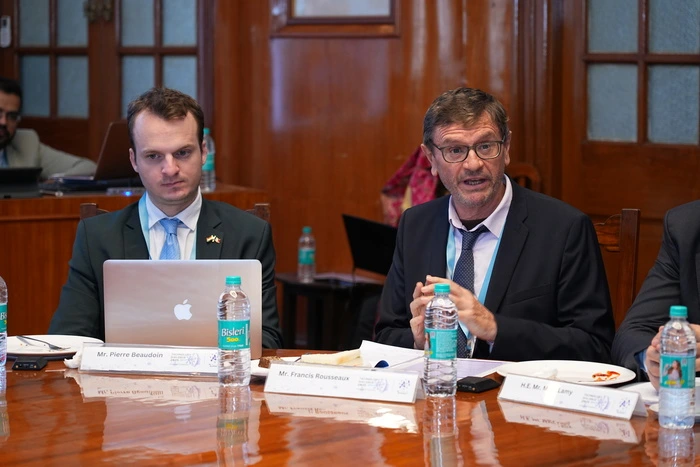
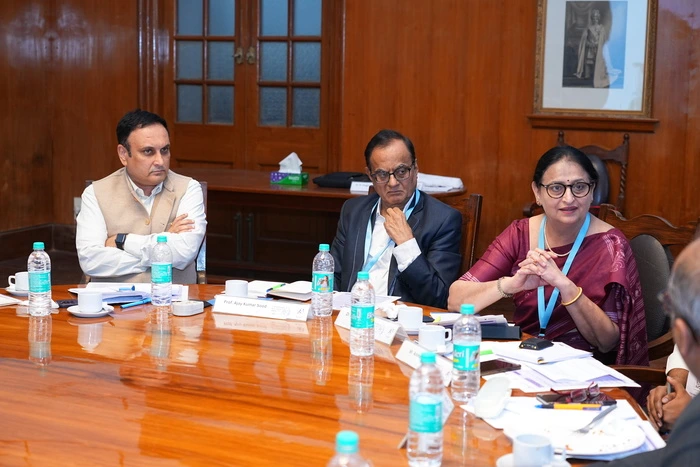
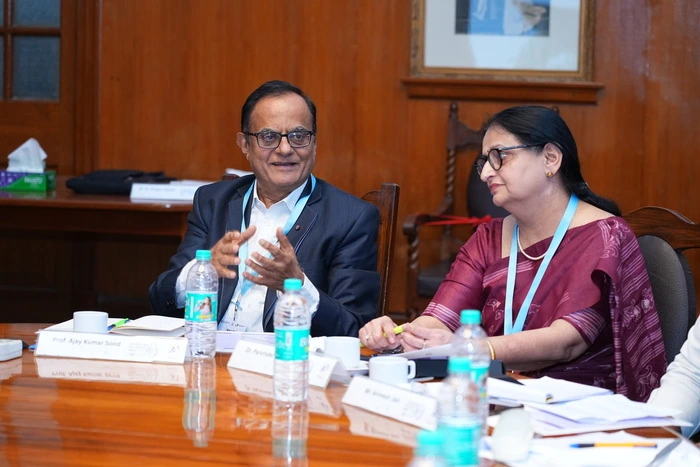
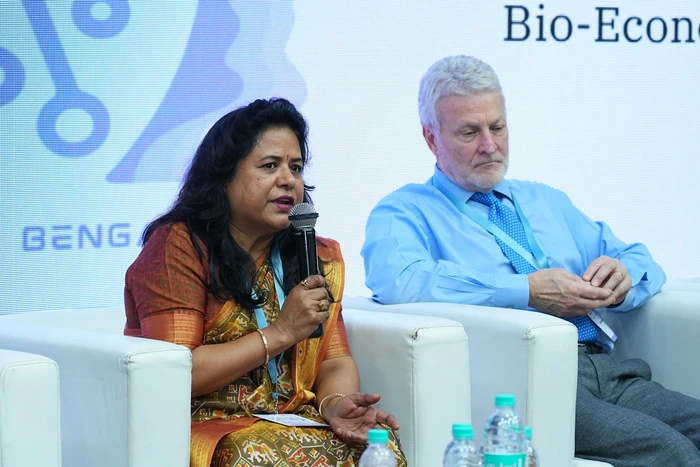
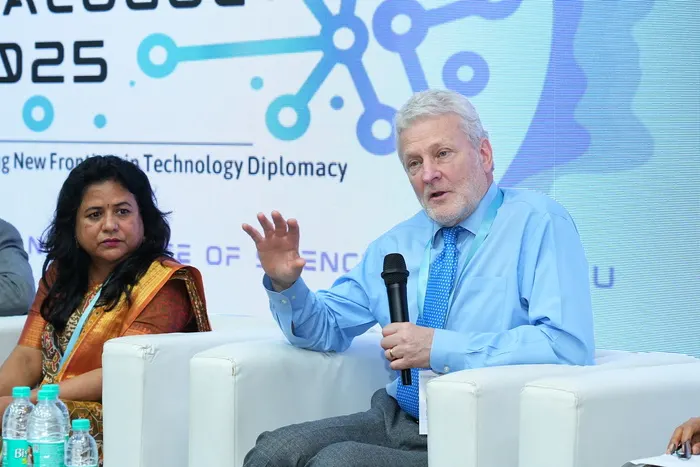
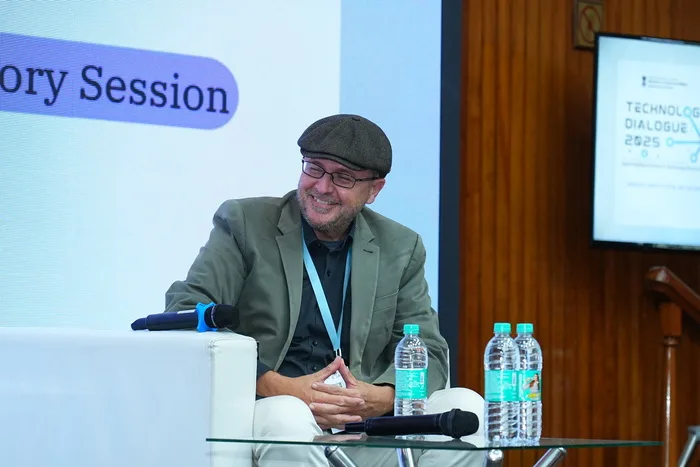
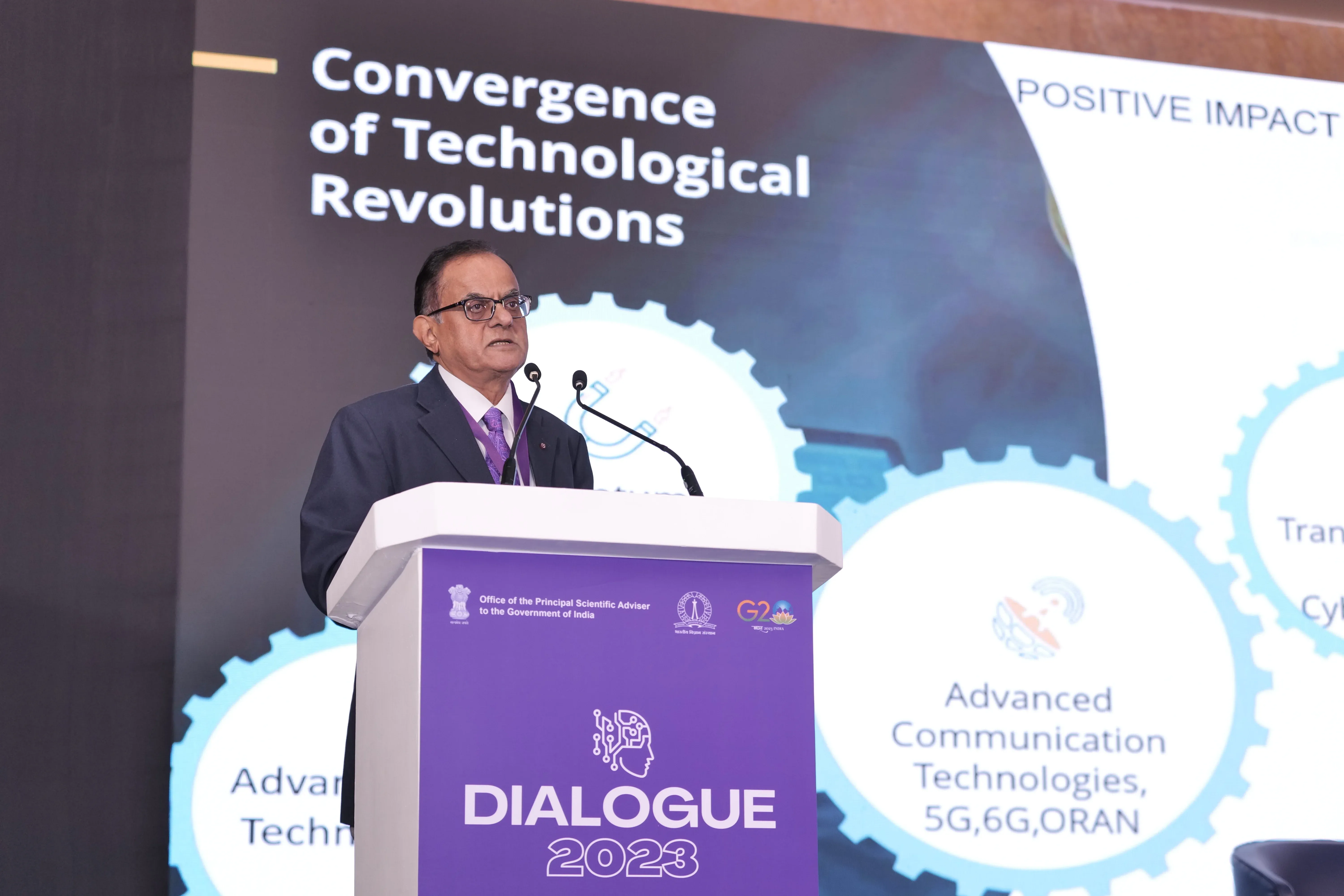
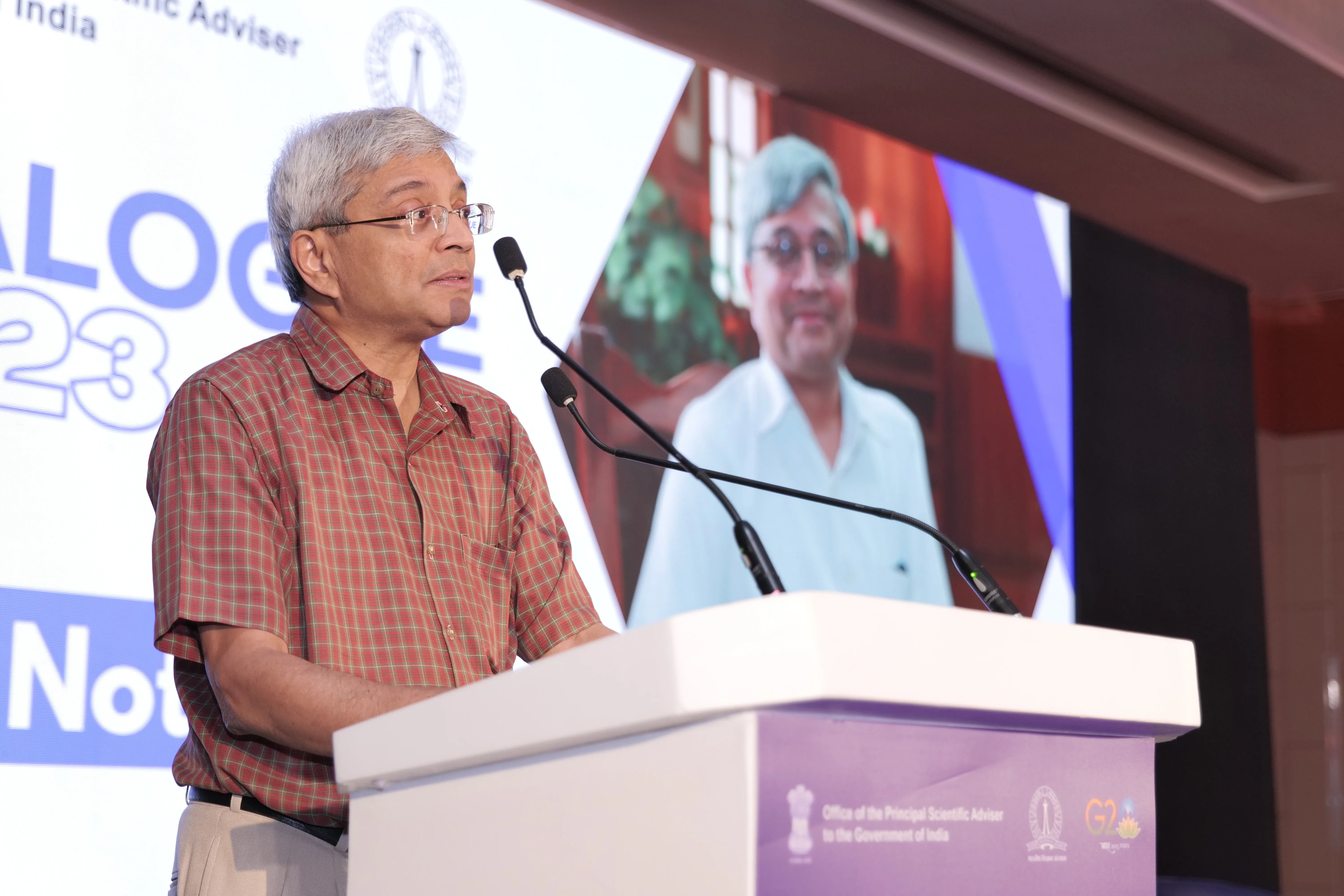
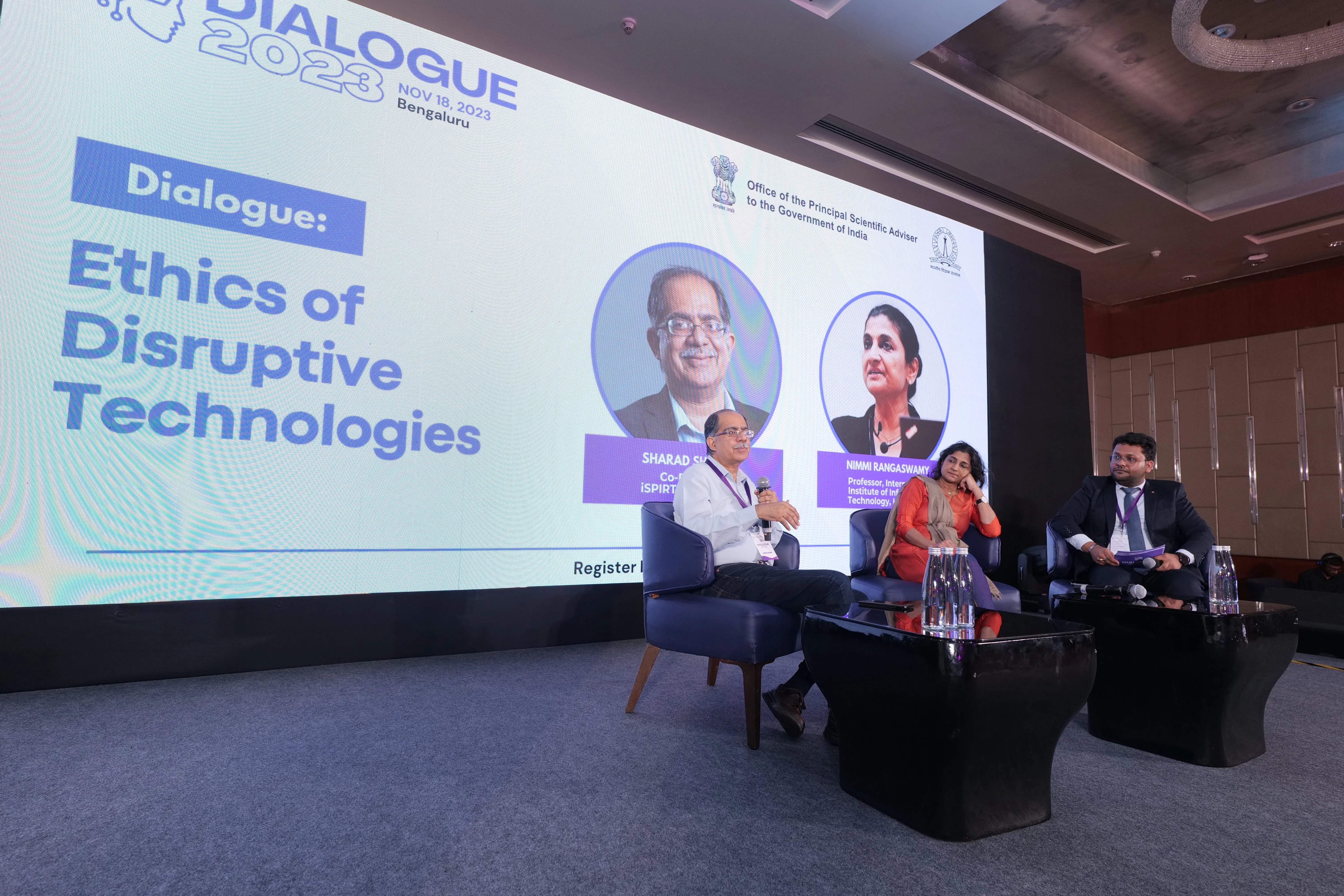
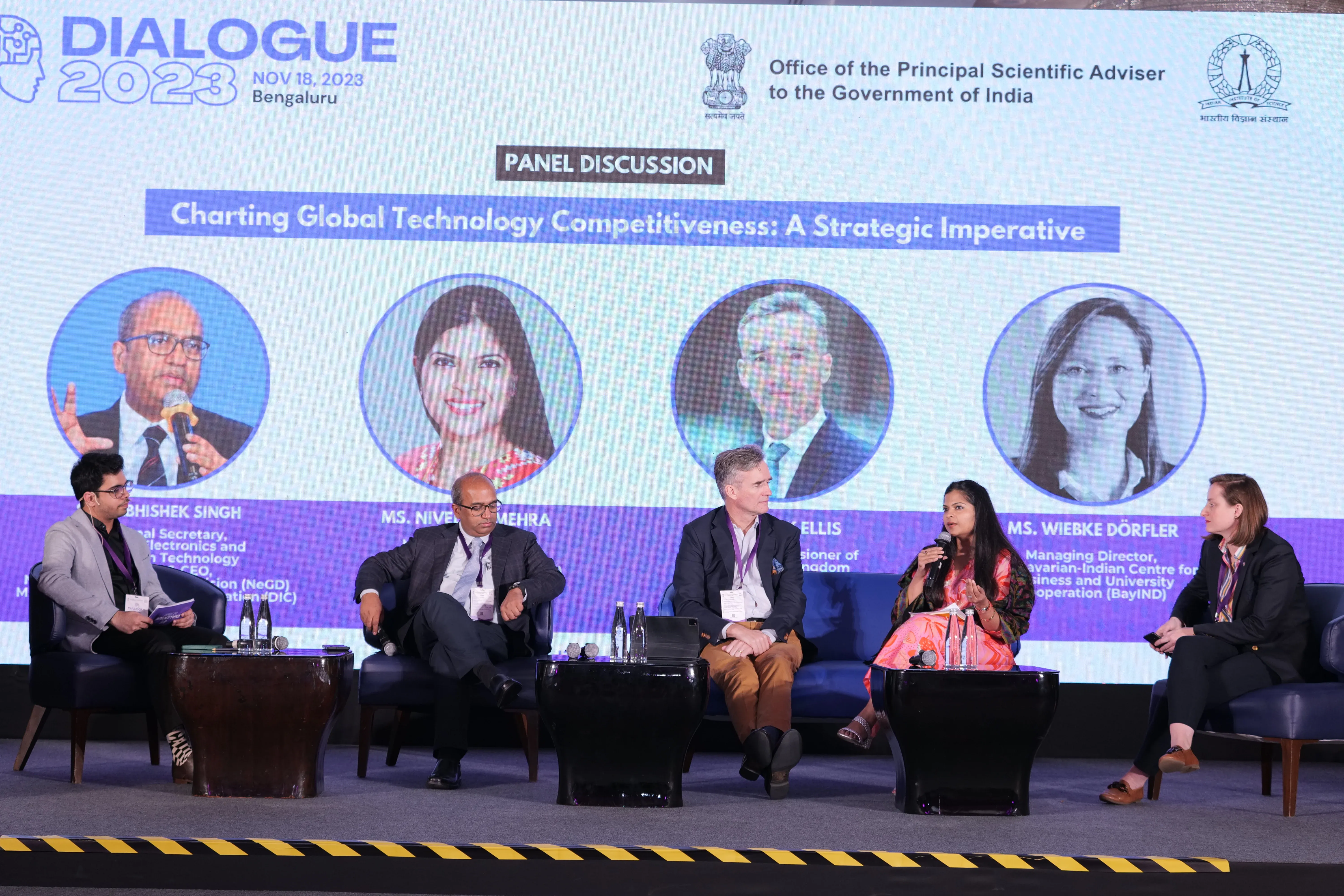
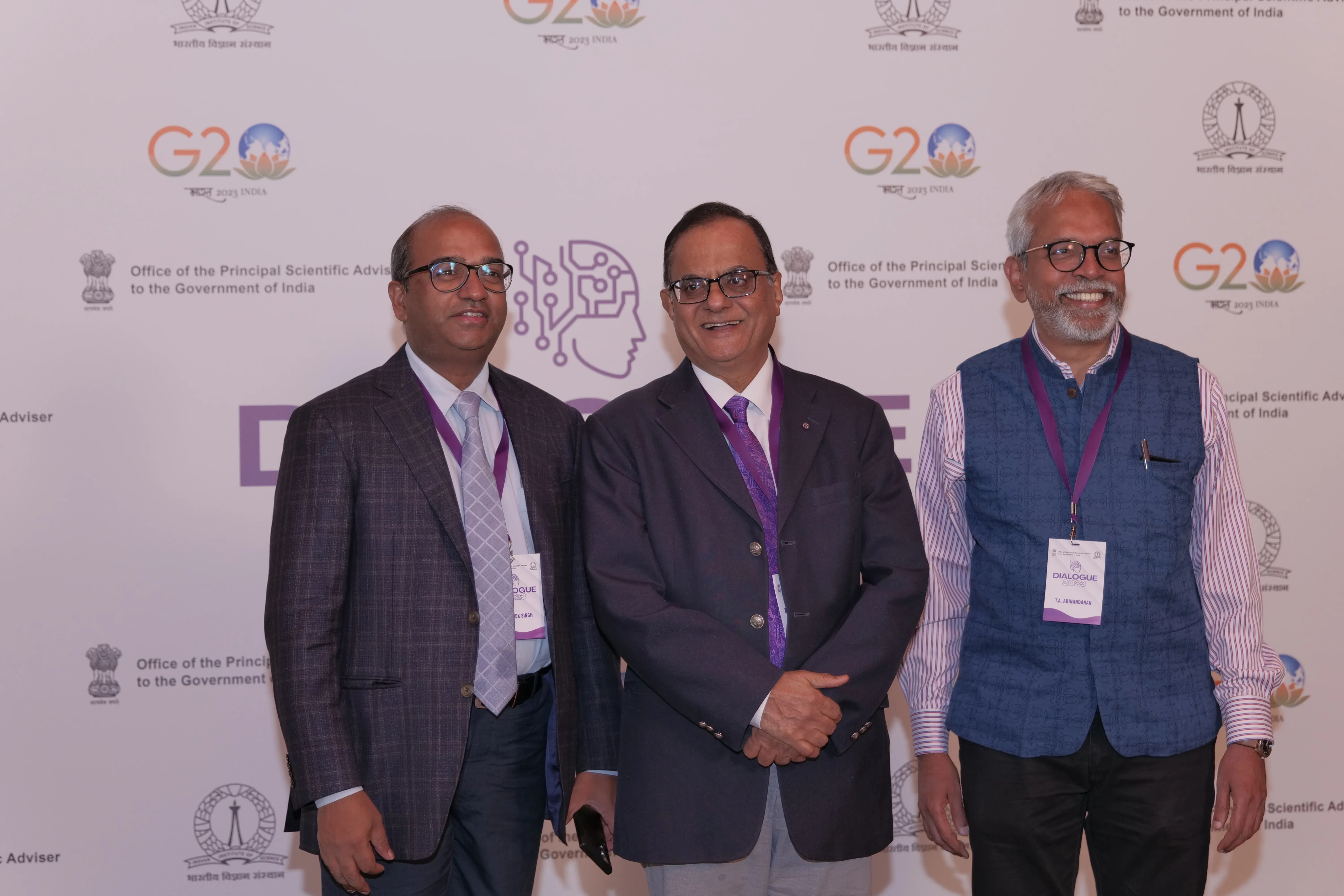
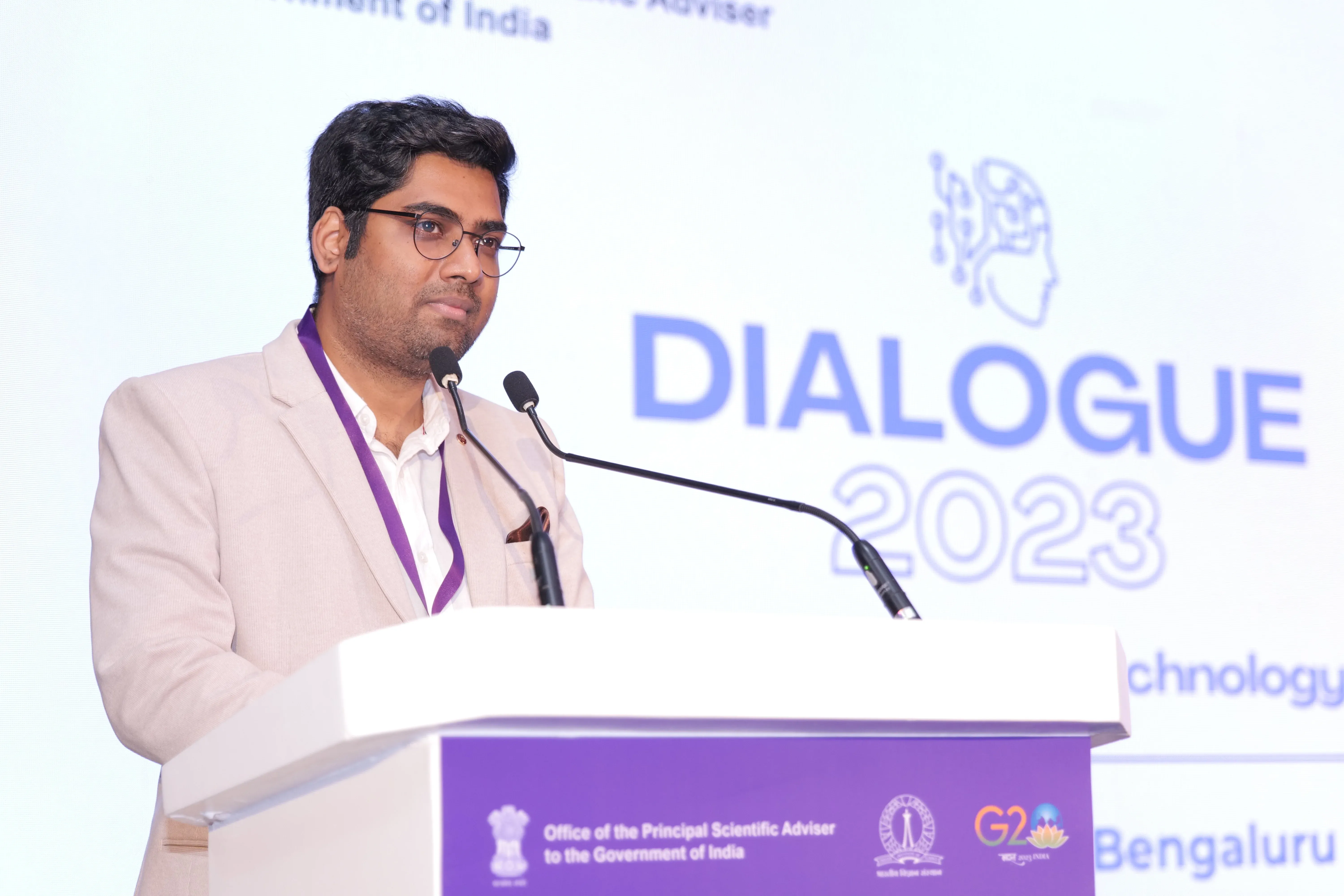
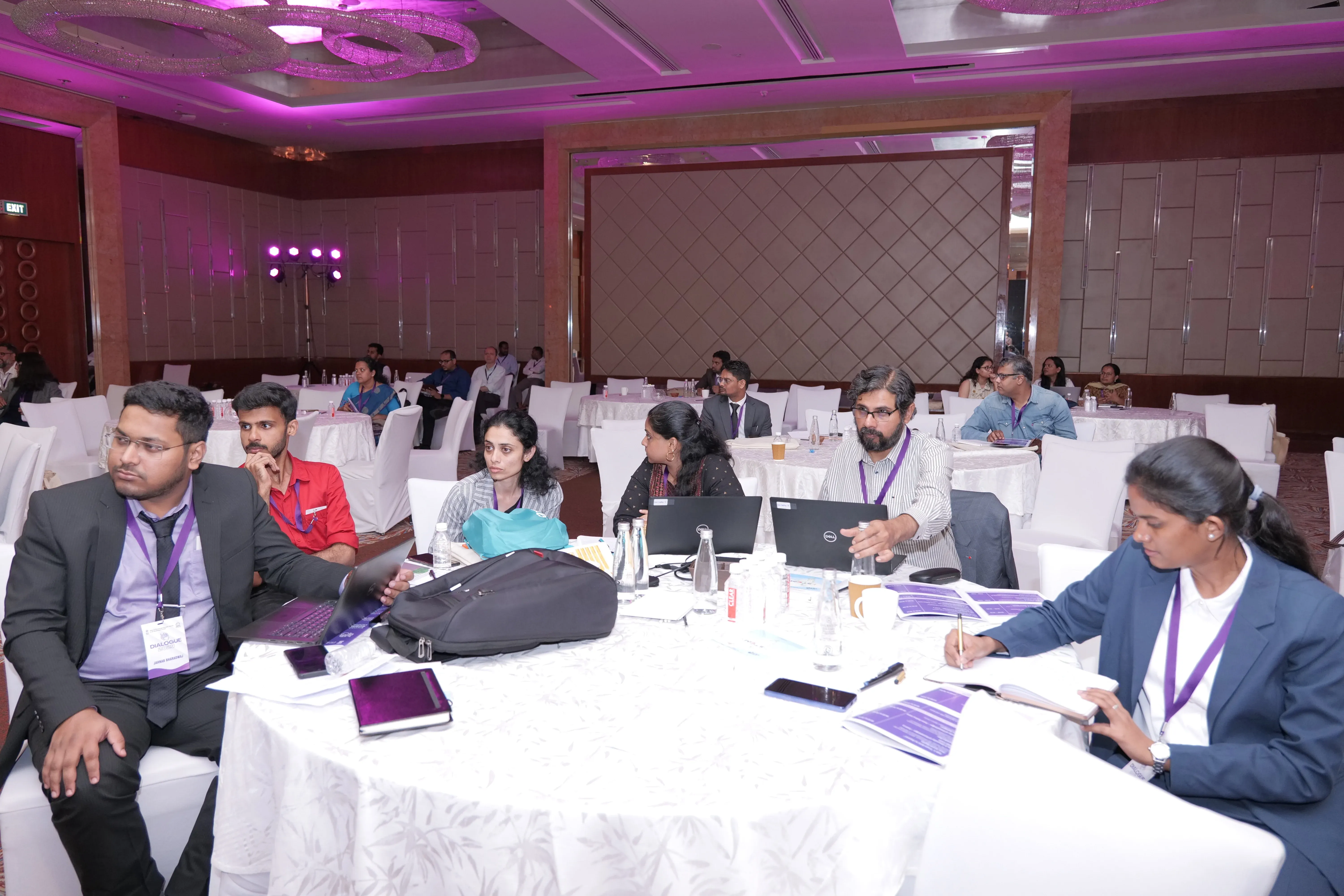
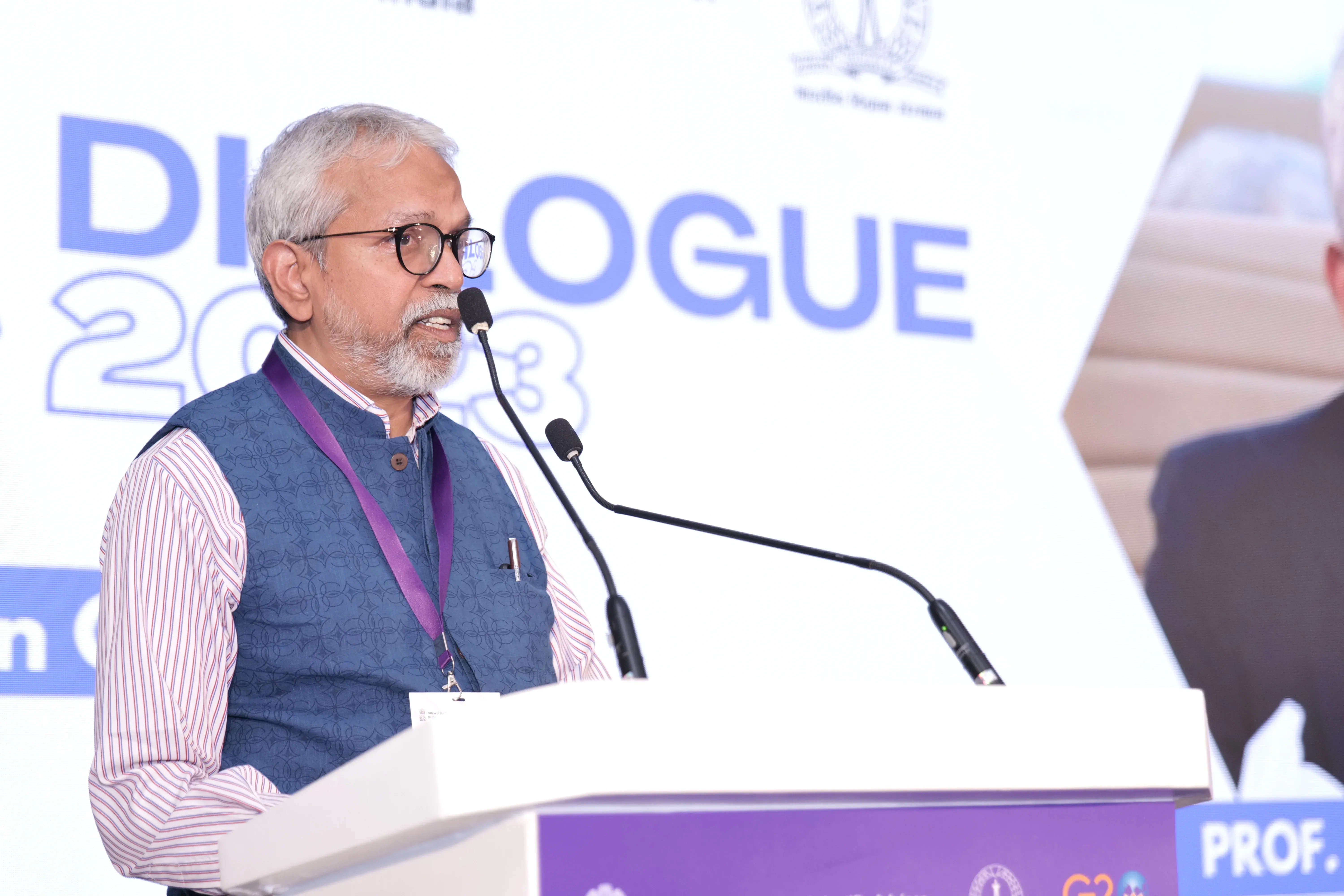
Relive the highlights of previous editions of the Technology Dialogue through moments that captured insightful discussions, strategic partnerships and meaningful engagement among policymakers, scientists, industry leaders and international experts. Explore a visual journey showcasing keynote addresses, panel discussions, bilateral engagements and networking sessions that have shaped conversations on the future of frontier technologies.
registrations[at]technologydialogue[dot]in
Indian Institute of Science,
Bengaluru,India